
What is EPA-608 certification, and why does refrigerant handling require it?
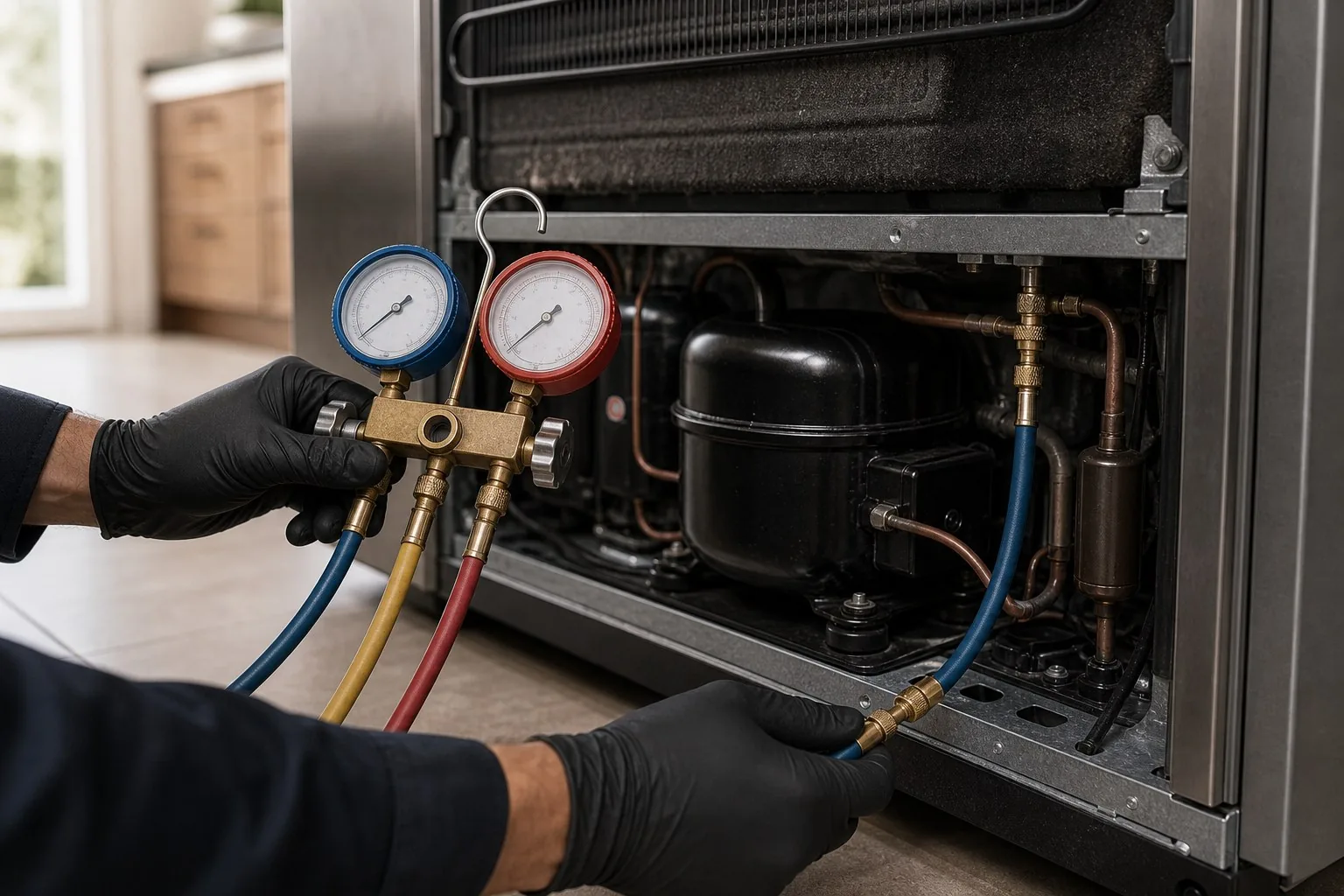
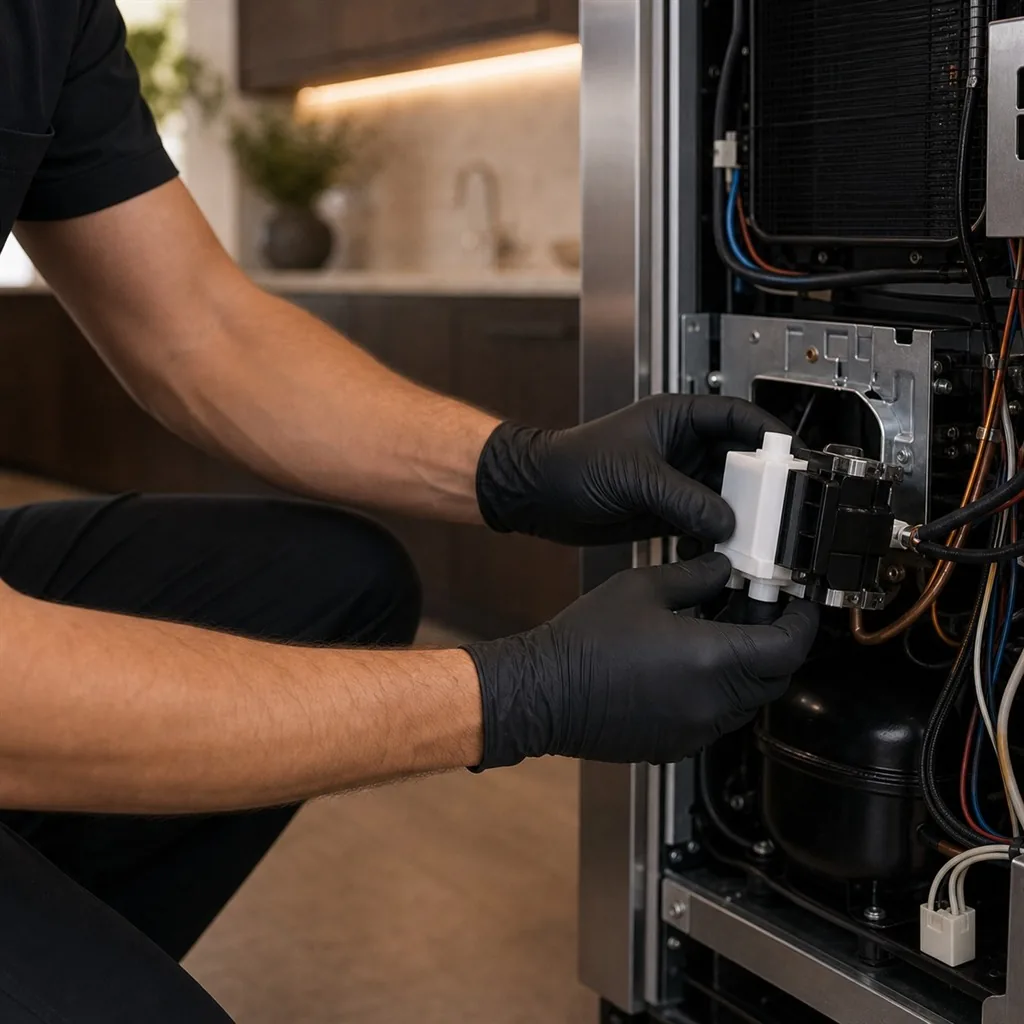
EPA-608 is a federal technician certification created under Section 608 of the Clean Air Act and administered by the U.S. Environmental Protection Agency. It licenses a person to recover, handle and recharge the refrigerant inside a sealed cooling system. The reason it exists is environmental: the refrigerants in a refrigerator are potent and must never reach the atmosphere. So any job that opens a sealed-system or compressor repair loop — cutting tubing, swapping an evaporator, brazing in a new drier — is, by law, work only a certified technician may perform.
That single legal fact is what separates sealed-system service from every other appliance repair. A fan, a damper, a control board or a door gasket can be replaced by any competent technician. The moment refrigerant is involved, the rules change, the equipment changes, and the certification becomes mandatory.
Which EPA-608 classification covers a Sub-Zero refrigerator?
A built-in Sub-Zero refrigerator runs a high-pressure sealed system, which falls under Type II certification. The four classifications break down like this — and a single “Universal” card combines all of them:
| EPA-608 type | What it covers | Applies to a Sub-Zero? |
|---|---|---|
| Type I | Small appliances (≤5 lb of refrigerant), sealed at the factory | No — too small a category |
| Type II | High-pressure and very-high-pressure systems | Yes — this is your built-in refrigerator |
| Type III | Low-pressure systems (large chillers) | No — commercial chiller scope |
| Universal | All of the above combined | Yes — qualifies a tech for the work |
When you ask whether a technician is certified, the honest answer for refrigeration is “Type II or Universal.” A tech with only Type I is not cleared to open the high-pressure loop in your kitchen.
Why does the EPA-608 requirement matter for the quality of your repair?
Because the law forces the right method, and the right method is what makes a sealed-system repair last. Knowingly venting refrigerant has been illegal since 1995, so a certified technician must capture the existing charge into a recovery tank before any tube is cut. That same discipline carries through the whole job: evacuate moisture to a deep vacuum, braze cleanly, fit a fresh filter-drier, then recharge to the exact factory weight. A charge that is even a few ounces off cools poorly, short-cycles, or burns out the compressor you just paid to keep.
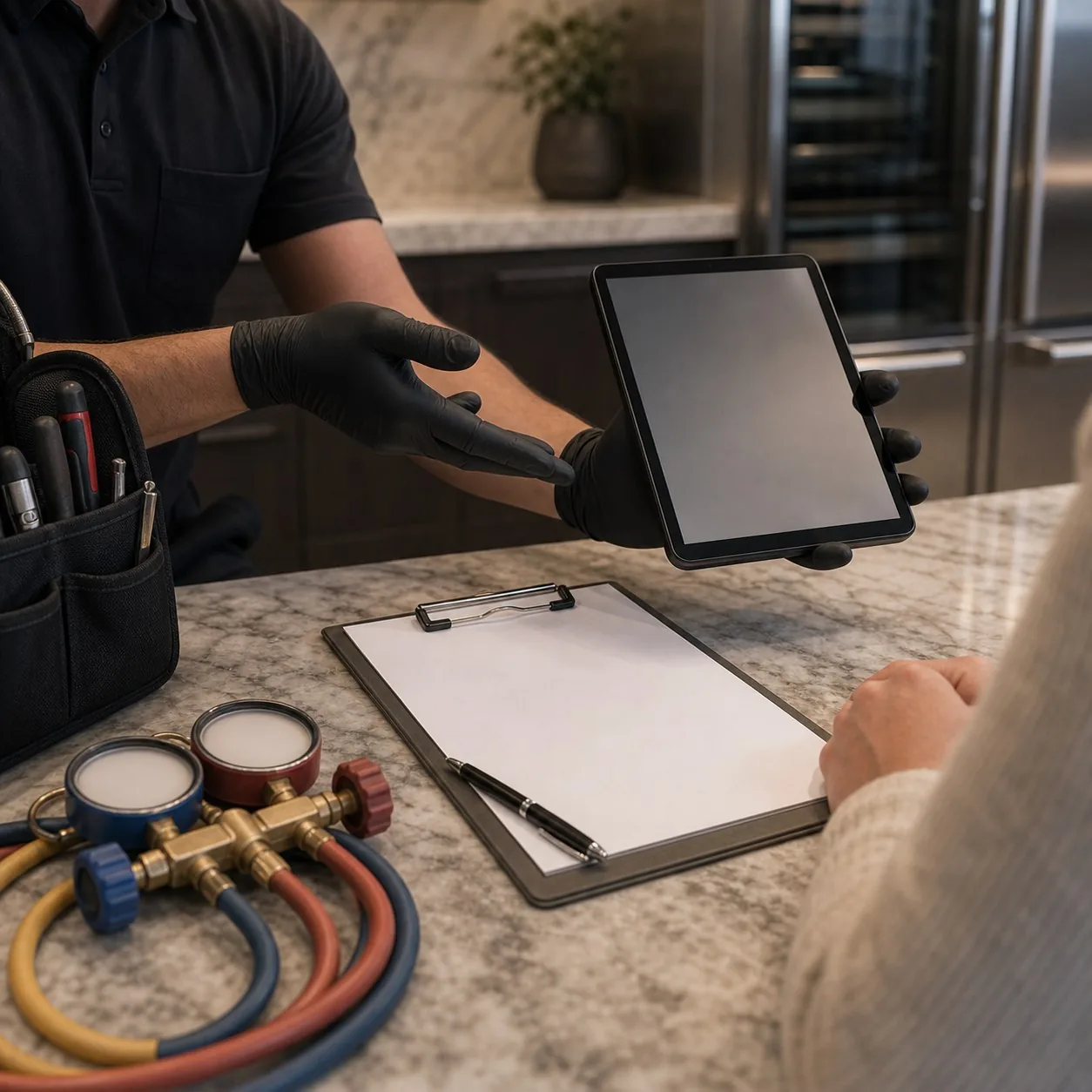
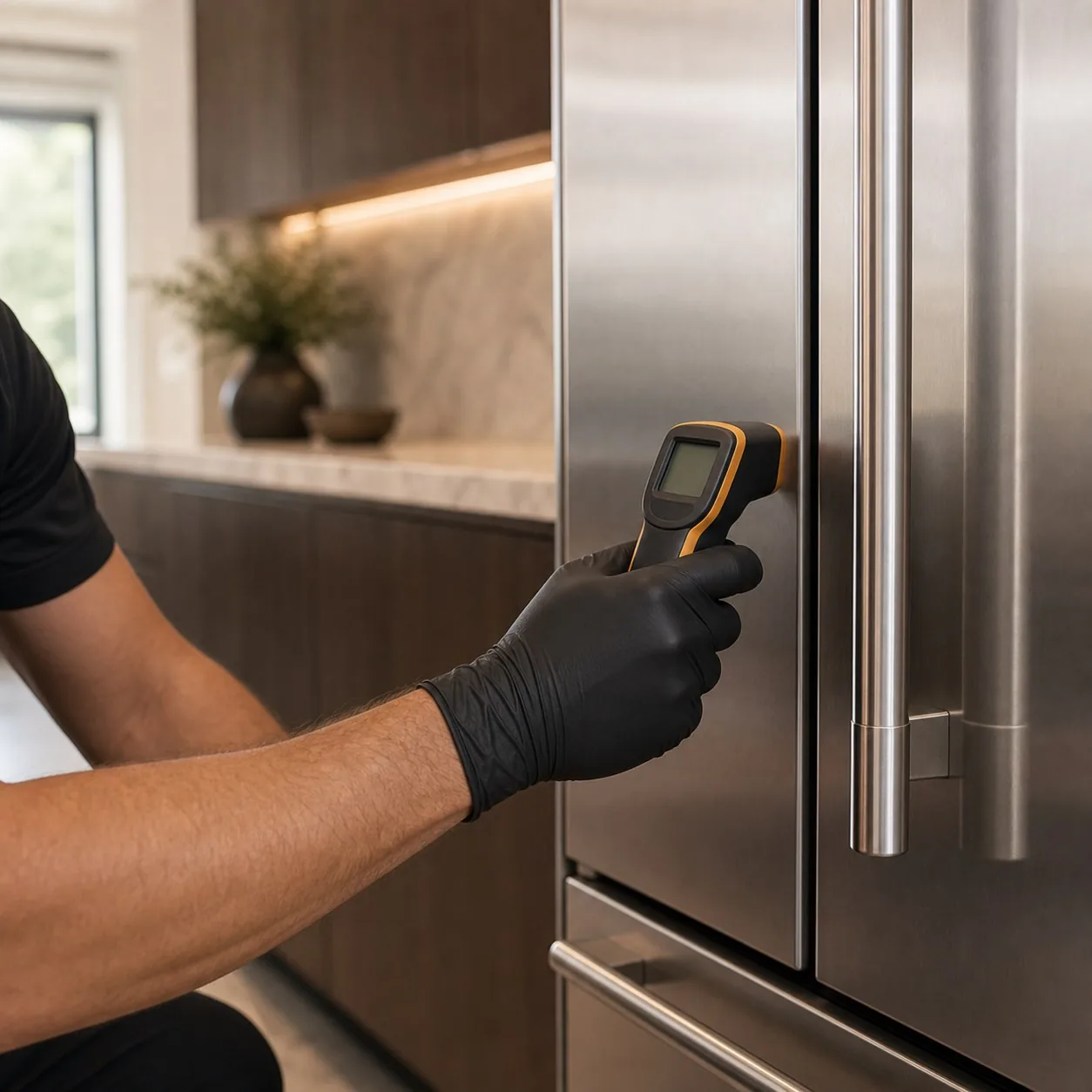
This is also why a sealed-system fault cannot be quoted firmly over the phone — it needs gauges and amp-draw on site to confirm. A reputable shop will diagnose first, then put the work in writing. Sealed-system repairs sit in the $900–$2,000 band on our sub-zero compressor replacement cost and evaporator replacement cost pages, versus $200–$700 for non-sealed work — a gap that reflects the certification, equipment and care the job demands.
What this means for a San Ramon homeowner
For a high-end kitchen in San Ramon, Danville or across the Tri-Valley, the practical takeaway is simple: never let anyone “top off the gas” in a Sub-Zero. That phrasing is a red flag. A sealed Sub-Zero loop is a closed, weighed system, not a tire — there is no legal or correct way to add refrigerant without recovery, evacuation and a measured recharge. If a quote skips those steps, the person quoting it is either not certified or planning to cut corners.
Certification also protects your wallet in a way many homeowners miss. A botched recharge can destroy a compressor that Sub-Zero’s 12-year sealed-system warranty might otherwise have covered. Before any loop is opened we check the unit’s age against that warranty — the same verification our sealed-system warranty guide walks through — so a covered part is never billed as out-of-pocket. We work to that standard as an independent shop: EPA-608 certified technicians, genuine OEM parts, gauges on every sealed call, and a written quote before the refrigerant is ever touched. The answers hub collects the rest of the citation-grade basics in one place.
Quick answers
- Why does sealed-system repair need an EPA-608 certified technician?
- Because the sealed loop holds refrigerant under pressure, and federal law forbids releasing it. EPA-608 certification licenses a technician to recover that refrigerant safely, repair the compressor or evaporator, then recharge to the exact factory weight. Without it, the work cannot legally or correctly be done.
- What is EPA-608 certification for appliance repair?
- It is a credential issued under the Clean Air Act that proves a technician understands refrigerant law, recovery procedure and system safety. Issued in four types, it is required for anyone who opens, repairs or recharges a sealed refrigeration system, including a built-in Sub-Zero in a San Ramon kitchen.
- Is it illegal to release refrigerant from a refrigerator?
- Yes. Knowingly venting refrigerant to the atmosphere has been banned in the United States since 1995 under the Clean Air Act. A certified technician must recover it into a tank with a recovery machine. That legal duty is the core reason a sealed-system repair is its own category of work.
- What does the EPA-608 requirement mean for repair quality and safety?
- It means the person opening your sealed loop has proven they can evacuate moisture, pull a deep vacuum and recharge to the factory weight. Done wrong, a recharge that is even slightly off cools poorly or burns out the compressor, so certification is a quality safeguard, not just paperwork.
How an EPA-608 certified technician opens a Sub-Zero sealed system
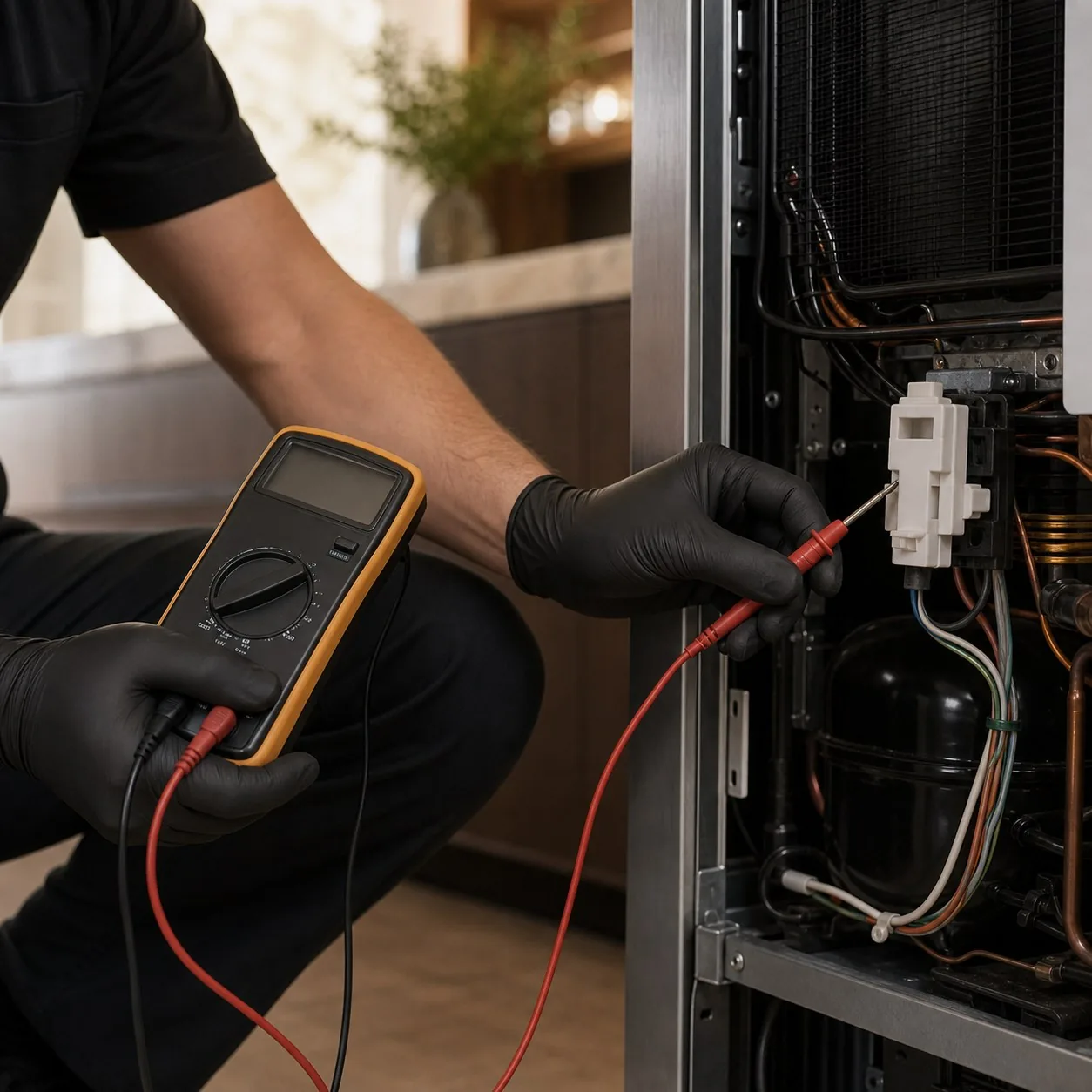
- Confirm the fault is sealed-systemRead gauges and amp-draw to prove the failure is the compressor, evaporator, drier or tubing before any tube is touched.
- Recover the refrigerantCapture the existing charge into a recovery tank with a recovery machine so nothing vents to the atmosphere.
- Repair and replace the failed partCut, replace and braze the failed sealed component with genuine OEM parts and a fresh filter-drier.
- Evacuate to a deep vacuumPull a vacuum to remove all moisture and non-condensables from the loop before recharging.
- Recharge by weight and verifyCharge the exact factory refrigerant weight, then verify cooling and amp-draw before closing up.
What to confirm before anyone opens your sealed loop
- The technician holds an EPA-608 certification appropriate to high-pressure systems (Type II or Universal)
- The fault was confirmed with gauges and amp-draw, not guessed from a symptom
- Refrigerant will be recovered into a tank, never vented or 'bled off'
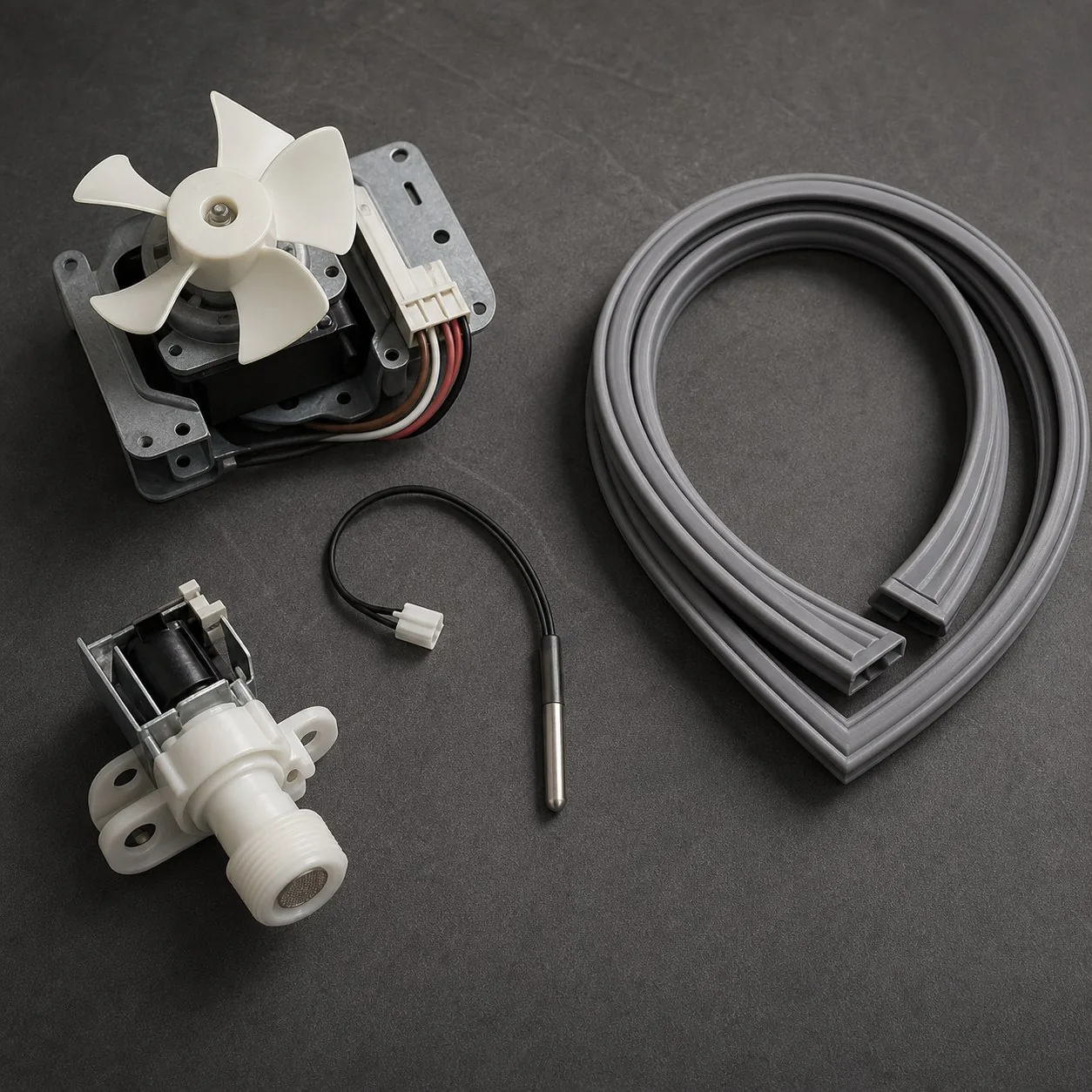
- Genuine OEM parts and a fresh filter-drier are on the truck before the loop is opened
- The unit's age was checked against the 12-year sealed-system warranty before you pay
How a visit works
Frequently asked questions
Why does sealed-system repair need an EPA-608 certified technician?
Because the sealed loop holds refrigerant under pressure, and federal law forbids releasing it. EPA-608 certification licenses a technician to recover that refrigerant safely, repair the compressor or evaporator, then recharge to the exact factory weight. Without it, the work cannot legally or correctly be done.
What is EPA-608 certification for appliance repair?
It is a credential issued under the Clean Air Act that proves a technician understands refrigerant law, recovery procedure and system safety. Issued in four types, it is required for anyone who opens, repairs or recharges a sealed refrigeration system, including a built-in Sub-Zero in a San Ramon kitchen.
Is it illegal to release refrigerant from a refrigerator?
Yes. Knowingly venting refrigerant to the atmosphere has been banned in the United States since 1995 under the Clean Air Act. A certified technician must recover it into a tank with a recovery machine. That legal duty is the core reason a sealed-system repair is its own category of work.
What does the EPA-608 requirement mean for repair quality and safety?
It means the person opening your sealed loop has proven they can evacuate moisture, pull a deep vacuum and recharge to the factory weight. Done wrong, a recharge that is even slightly off cools poorly or burns out the compressor, so certification is a quality safeguard, not just paperwork.
Which EPA-608 type applies to a Sub-Zero refrigerator?
A Sub-Zero refrigerator's sealed system is a high-pressure unit, so Type II certification applies. Universal certification, which combines all types, also qualifies a technician for the work. The classification confirms the tech is trained on the exact pressure category your built-in refrigeration uses.
Can I just refill the refrigerant in my Sub-Zero myself?
No. Buying or handling most refrigerants requires EPA-608 certification, and a sealed Sub-Zero loop is not a top-off job. It needs leak detection, evacuation and a precise charge by weight. A wrong charge can ruin a compressor that the 12-year sealed-system warranty might otherwise have covered.
What clients say
4.9 · 327 reviews
A handyman had offered to 'top off the gas' in our built-in column. This technician explained that handling refrigerant requires EPA-608 and showed his card. He recovered the old charge into a tank, replaced the leaking drier, pulled a vacuum, and recharged by weight. The column has held spec since.
Our Sub-Zero compressor failed and I wanted to understand why it wasn't a quick fix. He walked me through the legal recovery step before any tube is cut, since venting refrigerant has been illegal for decades. Done with gauges and a recovery machine, charged to factory weight. No shortcuts, no smell of refrigerant.
Another company quoted a sealed-system repair but couldn't tell me how they'd handle the refrigerant. These folks confirmed the Type II certification up front, recovered the charge properly, and checked our unit against the 12-year warranty before billing. Slightly slow to schedule, but the work was textbook.