
Quick answers
- Why won't my professional range burner light but it keeps clicking?
- Constant clicking means the igniter sparks but the gas isn't catching — usually a clogged or wet burner cap, a misaligned cap, or a weak spark from the igniter or module. Dry and reseat the cap first; if it still won't light or won't stop clicking, it needs service.
- Why is my professional oven not heating or not reaching temperature?
- On a gas oven it's often the igniter weakening until it can't open the gas valve; on a dual-fuel or electric oven it's a failed bake element, a drifted temperature sensor, or a control fault. We confirm which before replacing parts so the repair is right the first time.
- What's the difference between dual-fuel and gas range repair?
- A dual-fuel range pairs gas burners with an electric oven, so it has both gas-side faults (igniters, valves, burner caps) and electric-oven faults (elements, sensors, control boards). A diagnostic covers both systems, since the cooktop and oven fail independently.
- Why does my range oven run too hot or too cold?
- Usually a drifted oven temperature sensor or a control reading it wrong, sometimes a calibration that's slipped. We measure actual cavity temperature against the setpoint to decide whether it's the sensor, the control, or a calibration adjustment.
Why does a professional range act like two appliances?
Because it is two appliances in one frame. A professional range from Wolf, Viking, or Thermador packs a high-output gas or dual-fuel cooktop and a powerful oven into a single body — and the two halves fail for completely different reasons. The cooktop is about ignition and gas flow; the oven is about reaching and holding temperature. The first thing any range diagnostic settles is which system is actually at fault, because a burner problem and an oven problem share almost nothing. We cover the major makes through their own hubs — Wolf range repair, Viking repair, and Thermador repair — and bring the same diagnostic-first method to each.
Why won’t my burner light even though it keeps clicking?
The igniter is sparking but the gas isn’t catching. Pro burners run hot and take real abuse — boilovers, grease, and moisture — so a burner that clicks without lighting usually has a wet or misaligned cap, a fouled igniter, or a weak spark module. A yellow or lazy flame points to a dirty burner, an air-shutter issue, or gas supply. These are the most common cooktop calls, and many start with cleaning and reseating before any part is replaced; when a single igniter is at fault we cover that specific fix in our Wolf range burner igniter guide.
Oven heating faults
A gas oven that won’t heat is often a tired igniter that no longer draws enough current to open the safety valve. A dual-fuel or electric oven leans on a bake element, a temperature sensor, and a control board — any of which can leave the oven cold, slow, or off-temperature. We measure the actual cavity temperature against the setpoint rather than guessing.
Range symptoms and what they usually mean
| Symptom or sign | Likely cause | What we do |
|---|---|---|
| Burner clicks but won’t light | Wet/misaligned cap, fouled igniter, weak spark module | Dry and reseat the cap, clean ports, test the igniter and module before any part |
| Yellow or lazy flame | Dirty burner, air-shutter out of adjustment, gas supply | Clean and realign the cap, set the air shutter, verify gas pressure |
| Oven won’t reach temperature | Tired gas igniter, drifted sensor, or failed bake element | Measure cavity heat vs. setpoint; test igniter draw, sensor curve, element resistance |
| Oven runs hot or cold | Drifted temperature sensor or control miscalibration | Compare actual cavity temperature to setpoint, then sensor, control, or recalibration |
| Uneven baking, oven gets hot | Convection fan not circulating air | Confirm fan rotation and motor, replace the fan rather than the element |
We work brand-true to Wolf, Viking, and Thermador designs and install OEM parts matched to the unit from its model plate, and we never reach for a control board until the element, igniter, and sensor have tested clean.
What does professional range repair cost?
Most professional range repairs land in the $200–$700 band — igniters, spark modules, burner caps, oven sensors, and bake elements are non-sealed parts and labor. The flat $89 diagnostic is waived with any repair, and you approve a written quote before work begins. Because a dual-fuel range hides two systems, a single visit can cover a cooktop and an oven fault together; see repair cost for the network-wide price bands.
Bay Area context
A professional range is the centerpiece of the serious Bay Area kitchen, from Danville to the Peninsula, and it’s the appliance owners least want down for a dinner party. We diagnose cooktop and oven as the separate systems they are and bring the right OEM parts to restore full output in one careful visit.
Try this before you book the cooktop
- Lift the burner cap off and let it dry fully — a wet cap is the number-one cause of endless clicking.
- Seat the cap squarely on its base; a cap rocked even a few millimeters off the ports won't catch.
- Brush food and grease out of the burner ports with a dry toothpick or stiff brush, never a wire that widens them.
- Watch the flame after it lights — blue and steady is healthy; yellow, lazy, or lifting means a burner or air-shutter issue.
- If one burner is dead but its neighbors spark, the fault is local; if none spark, suspect the shared module or gas supply.
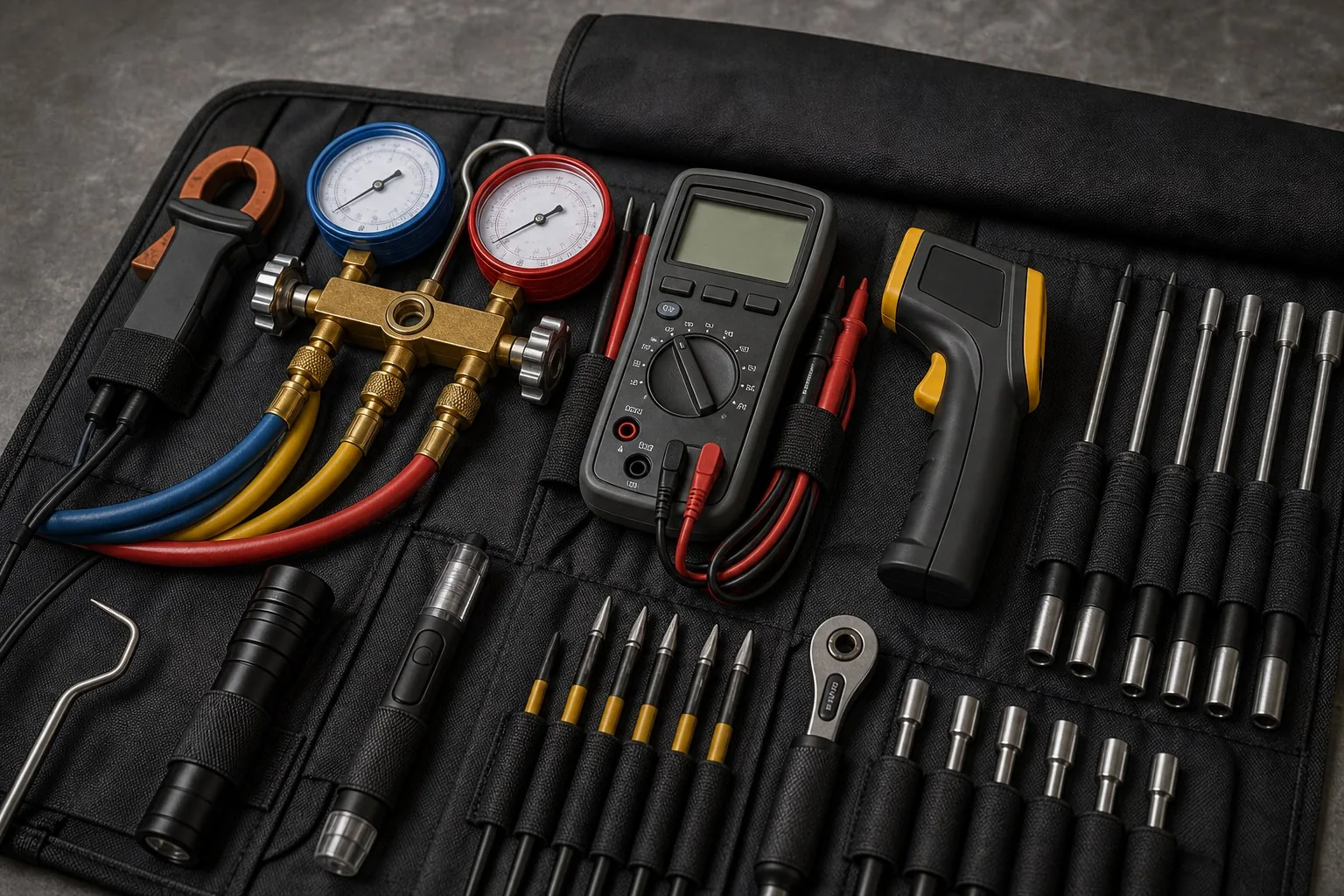
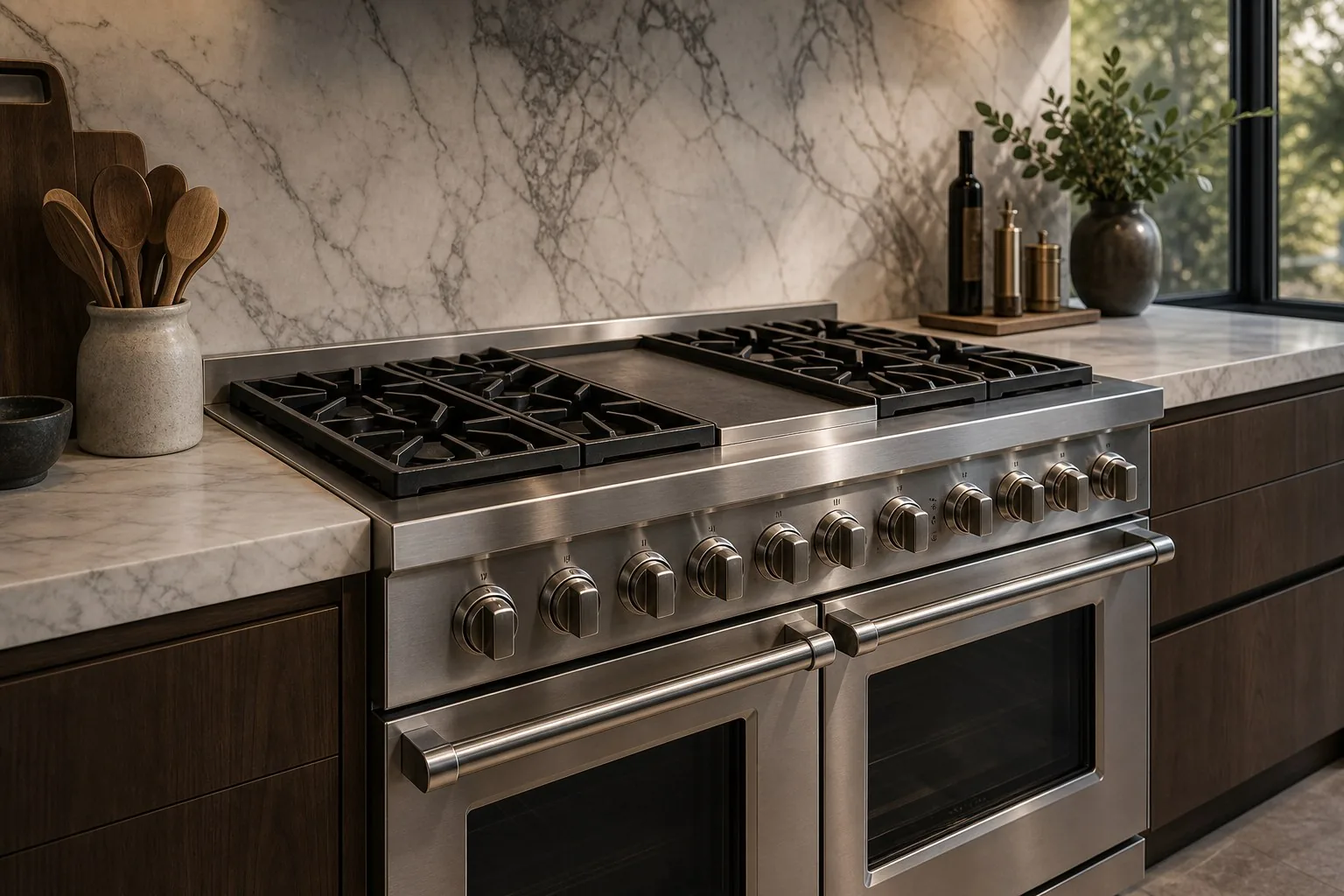
Why dual-fuel takes two diagnoses
Gas cooktop, electric oven — two failure systems in one frame
A dual-fuel range hides two unrelated repair problems behind one front panel. The cooktop fails on the gas side — igniters, spark modules, valves, fouled caps. The oven fails on the electric side — bake element, RTD sensor, control relays. They share almost no parts, so a thorough diagnostic checks both, since a cold oven tells you nothing about why a burner won't light.
Frequently asked questions
Why won't my professional range burner light but it keeps clicking?
Constant clicking means the igniter sparks but the gas isn't catching — usually a clogged or wet burner cap, a misaligned cap, or a weak spark from the igniter or module. Dry and reseat the cap first; if it still won't light or won't stop clicking, it needs service.
Why is my professional oven not heating or not reaching temperature?
On a gas oven it's often the igniter weakening until it can't open the gas valve; on a dual-fuel or electric oven it's a failed bake element, a drifted temperature sensor, or a control fault. We confirm which before replacing parts so the repair is right the first time.
What's the difference between dual-fuel and gas range repair?
A dual-fuel range pairs gas burners with an electric oven, so it has both gas-side faults (igniters, valves, burner caps) and electric-oven faults (elements, sensors, control boards). A diagnostic covers both systems, since the cooktop and oven fail independently.
Why does my range oven run too hot or too cold?
Usually a drifted oven temperature sensor or a control reading it wrong, sometimes a calibration that's slipped. We measure actual cavity temperature against the setpoint to decide whether it's the sensor, the control, or a calibration adjustment.
My burner flame is yellow or uneven — is that dangerous?
A healthy flame burns blue and steady. Yellow, lazy, or uneven flames point to a dirty or misaligned burner, an air-shutter issue, or a gas-supply problem. It's worth a prompt look — clean burners run safer, hotter, and more evenly.
What clients say
4.9 · 327 reviews
Our dual-fuel Wolf range had a front burner that clicked endlessly without lighting while the oven ran cold. The tech treated them as two separate problems: reseated a fouled burner cap and spark module on the cooktop, then replaced a drifted oven sensor. Both fixed in one professional range visit.
Viking range oven wouldn't reach temperature for a dinner party. He measured actual cavity heat against the setpoint, confirmed a tired igniter that no longer pulled enough current to open the gas valve, and swapped it for an OEM part. Back to full output the same afternoon.
Thermador burner flames were yellow and lazy on two ports. The technician cleaned and realigned the caps, cleared the clogged ports, and adjusted the air shutter rather than selling parts. Flames came back blue and steady. Clear written quote up front, no surprises on the bill.