
Why does only one zone of a dual-zone Sub-Zero wine column go warm?
Because each zone is regulated on its own, off a single cooling deck. A dual-zone column — the integrated Sub-Zero 424 and 427 class among them — does not carry two compressors or two sealed systems. It makes cold once, then divides it: a motorized air damper meters how much chilled air reaches each compartment, and a thermistor in each zone tells the control board when to open or close that damper. So when one shelf set drifts warm while the other sits exactly on target, the cold is plainly still being produced — it simply isn’t reaching one zone. That single observation is the most useful thing a wine collector can notice, because it quietly clears the most expensive parts in the cabinet.
What that one warm zone rules out
A warm zone beside a cold zone is, oddly, good news. It tells us the compressor is running, the condenser is shedding heat, and the shared evaporator is making cold — because any of those failing would starve both compartments at once, not one. It also rules out Showroom (demo) mode, which disables active cooling for the entire cabinet rather than a single zone. What’s left is a short, zone-local list: the damper feeding the warm zone, the sensor reading that zone, and on some models a dedicated zone fan. None of those are sealed-system work, which is why this fault rarely lands in the expensive band.
| Symptom or sign | Likely cause | What we do |
|---|---|---|
| Upper zone warm, lower zone on target | Upper damper stuck or stripped (upper zone fed last) | Read damper travel, fit the genuine OEM damper for that zone |
| One zone warm but its display reads “cold” | Drifted thermistor in that zone misreporting temperature | Measure resistance vs. the model curve, swap the OEM sensor |
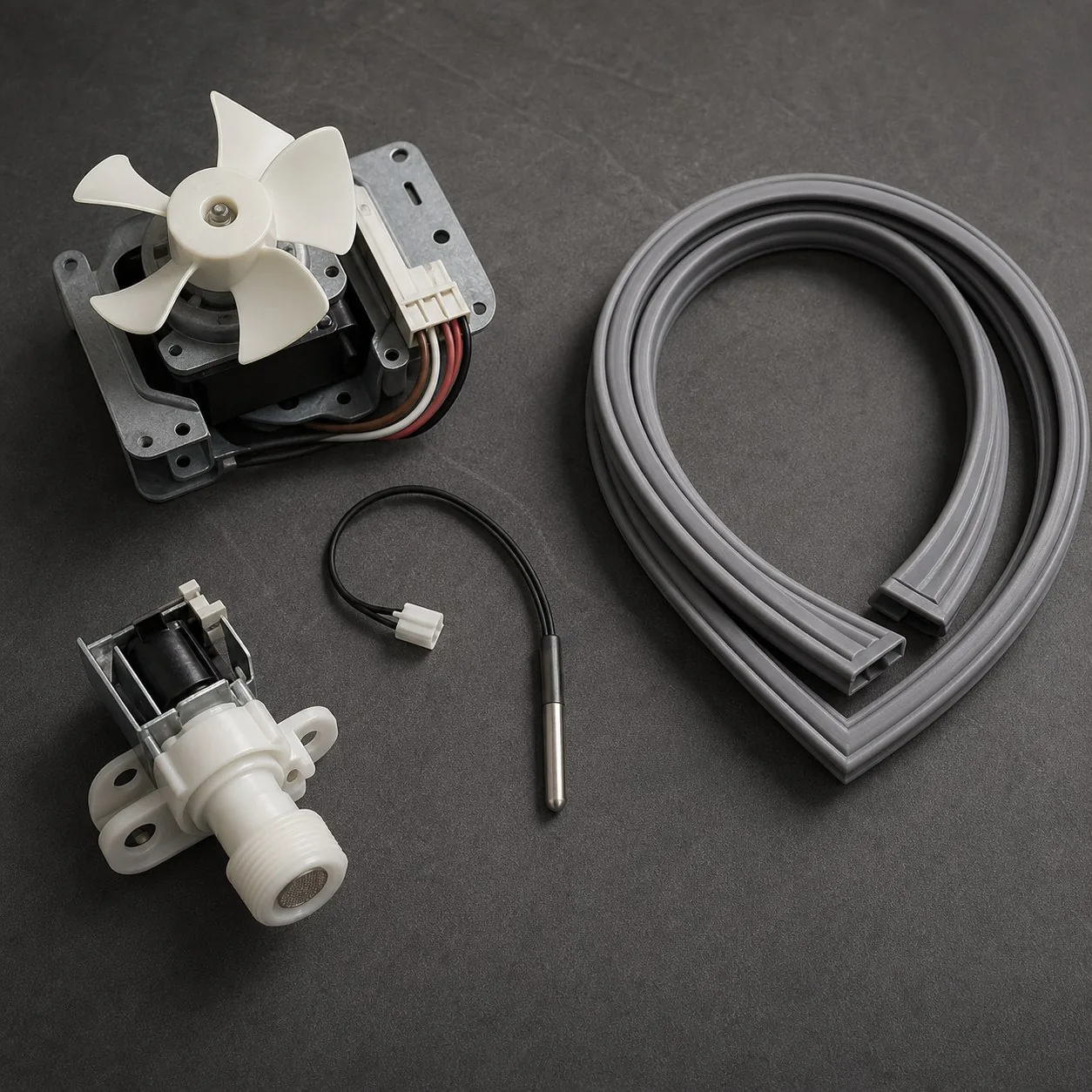
| One zone warm, faint or no airflow into it | Stalled or weak dedicated zone fan | Test the fan, replace the OEM motor, confirm the air split |
| One zone slow to recover after a door is left open | Damper sluggish or sensor lagging in that zone | Verify damper response and sensor timing, replace if out of spec |
| Both zones warm together | Shared condenser, fan, sealed system, or Showroom mode | Different diagnosis entirely — see our Sub-Zero not cooling path |
Damper or sensor — how the diagnosis splits
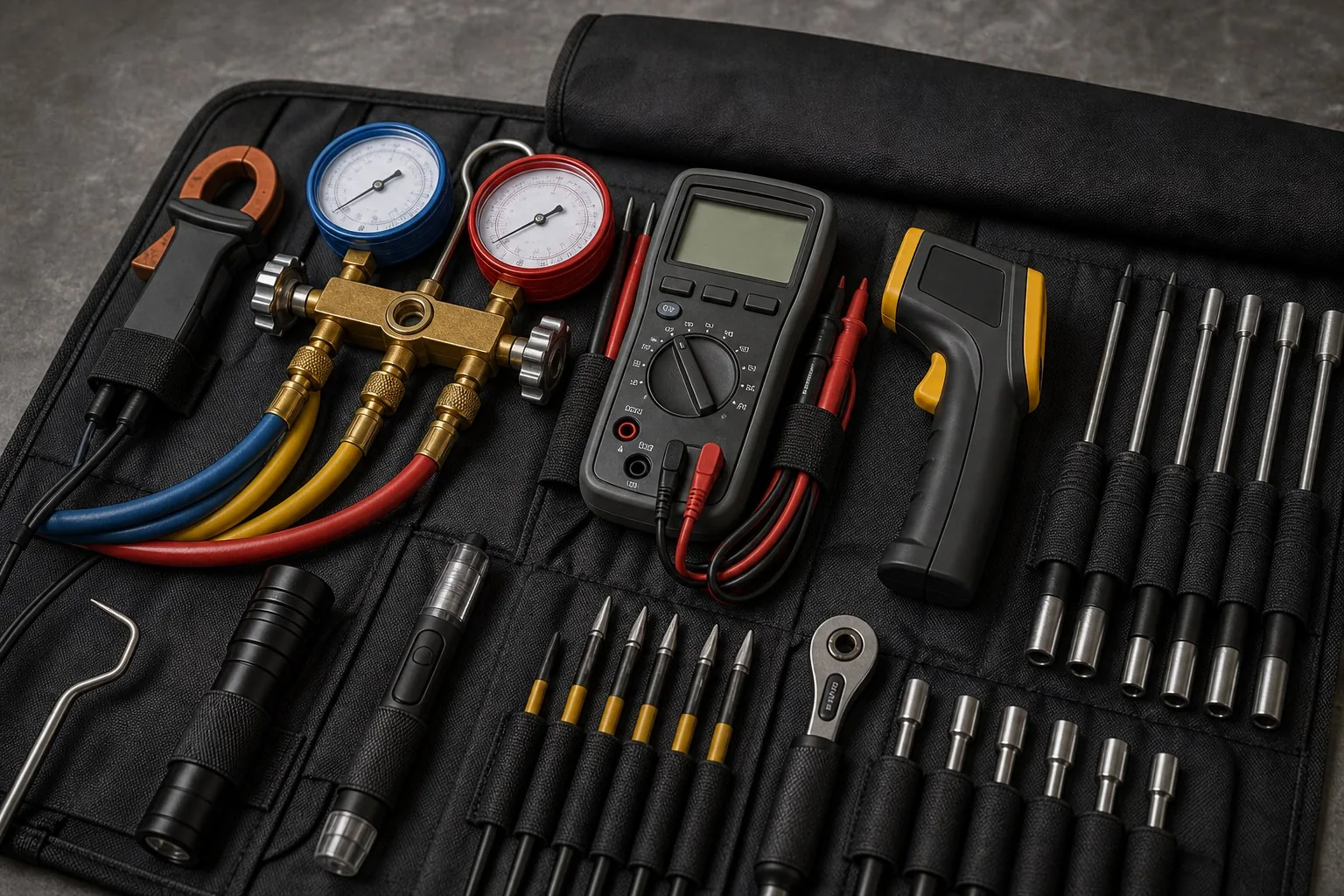
Here is the trap: a stuck damper and a drifted sensor produce nearly the same symptom — a single warm zone — but the fixes are different, and guessing wastes a part. A stuck damper physically blocks cold air from entering the zone; the sensor is honest, the board is calling for cooling, but the door won’t open. A drifted thermistor is the opposite: the damper is willing, but the sensor reports the zone as already cold, so the board never calls for air at all. We separate the two by reading damper position directly and measuring sensor resistance against the model’s published curve, rather than trusting the front-panel temperature. A sensor reading several degrees off its true value is the most common cause we find behind a “good zone gone warm,” and it is invisible to anyone who only reads the display.
Why the upper zone is the usual offender
In most dual-zone columns the upper compartment is fed last in the airflow path, and warm air rises into it, so the upper zone has the least margin for error. A partly stuck damper, or a sensor drifting a few degrees, surfaces there first. That is why “upper warm, lower cold” recurs across the Bay Area wine rooms we service, from the Diablo-side estates of Lafayette and Walnut Creek to the Los Altos and Saratoga collections. The same damper, sensor and fan logic carries over from a refrigerator column repair; the difference is that a wine column splits one deck two ways instead of stacking two independent systems.
When a zone runs warm, the glass door and its gasket deserve a glance too — a tired wine-cooler door gasket lets warm room air seep against the upper shelves and overwork the damper — but on a true one-zone-warm column the seal is rarely the whole story. We carry genuine OEM dampers and sensors matched to the rating plate, isolate the warm zone, and leave the healthy zone and the sealed system untouched. Most of these repairs sit in the non-sealed band on our Sub-Zero repair cost page; a flat $89 service call applies and is waived with any repair, and we work gated, hillside and white-glove estate access by appointment, around the clock.
Quick answers
- Why is one zone of my Sub-Zero dual-zone wine column warm while the other is fine?
- Because each zone is metered separately. A dual-zone column makes cold on one deck and splits it between two compartments using independent dampers and sensors. When a single zone runs warm and the other holds, the failure sits in that zone's damper or sensor — the shared compressor is clearly still cooling.
- Is a warm zone on my wine fridge the compressor or sealed system?
- Almost never, if the other zone is cold. A failed compressor, condenser or sealed system would starve both compartments at once, so a one-zone-warm pattern actually clears the expensive parts. The diagnosis narrows to that zone's air damper, its thermistor, or, on some models, a dedicated zone fan.
- My Sub-Zero 424 isn't cooling one side — what fails first?
- On a 424-class dual-zone column the first suspects are the damper that meters air into the warm zone and the thermistor reading that zone's temperature. A stuck damper starves the zone of cold; a drifted sensor tells the board the zone is already cold so it never calls for more air. Both are zone-local repairs.
- The upper zone is warm but the lower zone is cold — what does that mean?
- That split usually points to the upper zone's damper or sensor. Warm air rises, and the upper compartment is typically fed last in the airflow path, so a partly stuck damper or a drifted sensor shows there first. We verify by reading damper position and sensor resistance against spec before replacing anything.
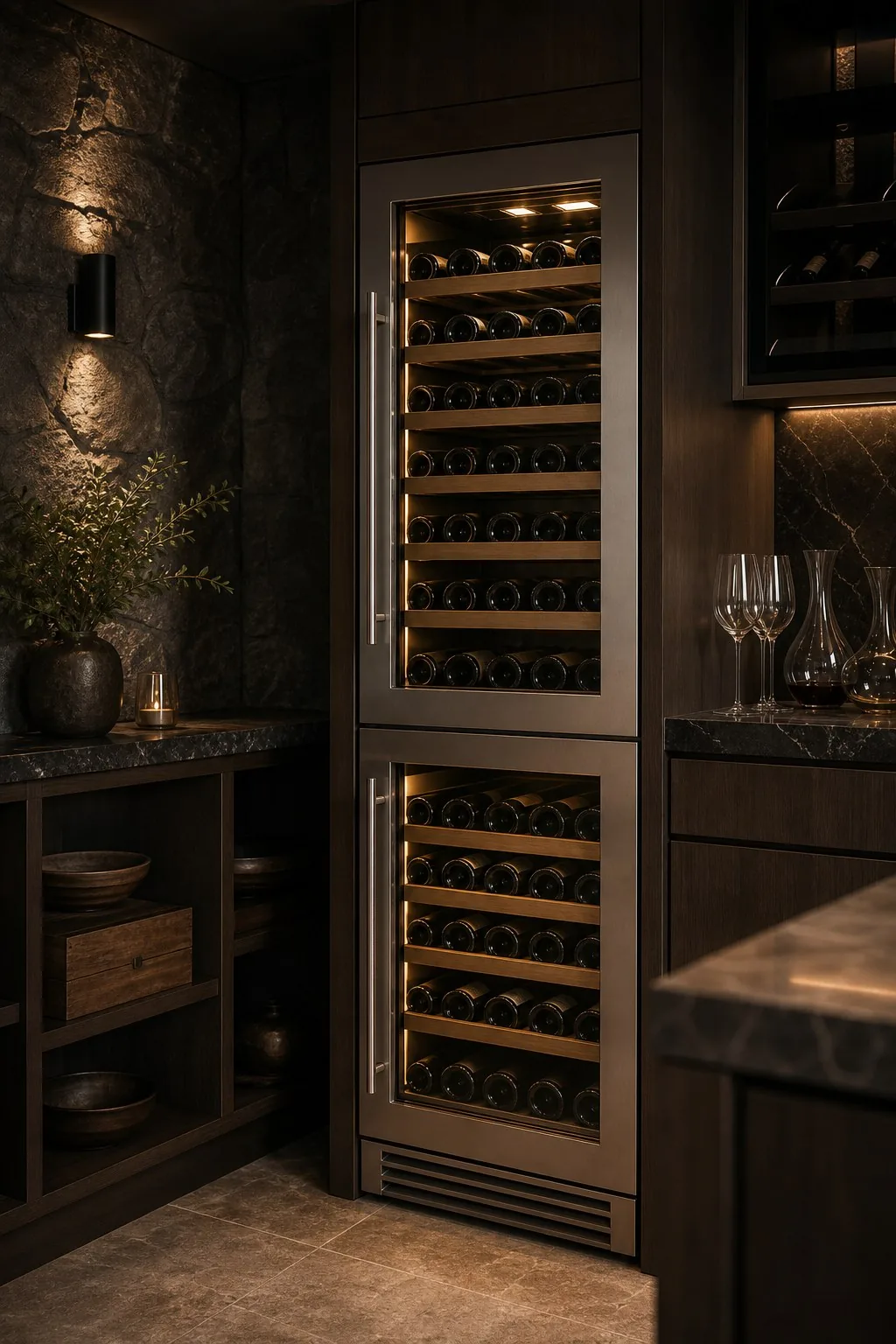
How two zones share one cold source
The split happens at the damper, not the compressor
A dual-zone wine column doesn't run two refrigeration systems. One deck makes cold, and a motorized air damper meters how much reaches each compartment while a sensor in each zone tells the board when to open or close it. That architecture is why a single warm zone is reassuring news: the cold is being made, it just isn't reaching one shelf set. We read damper travel and sensor resistance to find exactly where the split breaks down.
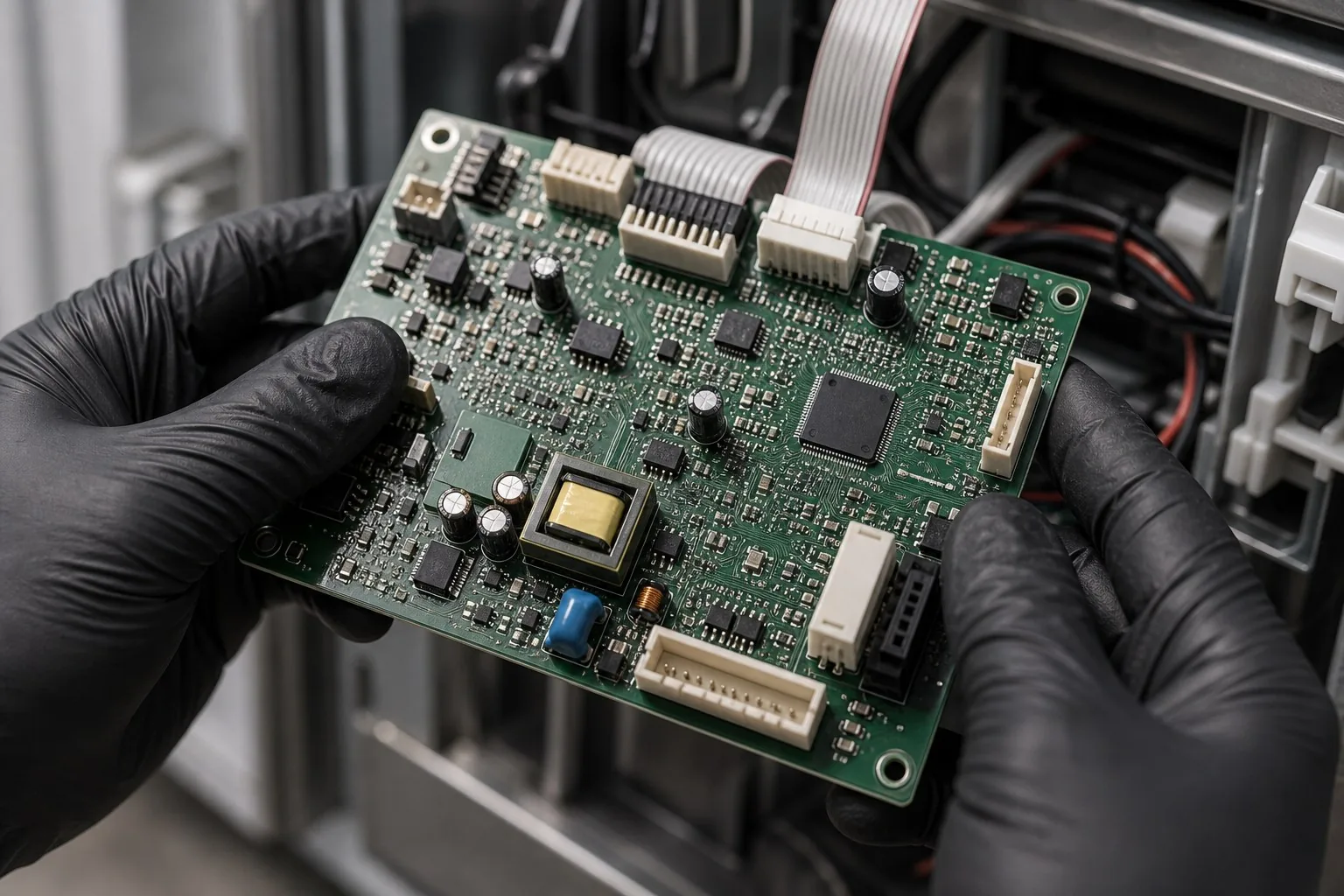
When the sensor lies to the board
A drifted thermistor starves a zone of its own cooling
Every zone is governed by a thermistor whose resistance changes with temperature. When that sensor drifts out of spec, it can report a zone as already cold, so the board never opens the damper to cool it — the compartment climbs while the sensor insists all is well. We measure resistance against the model's curve rather than trusting the display, because a lying sensor mimics a dead damper and a misread here sends the repair down the wrong path.
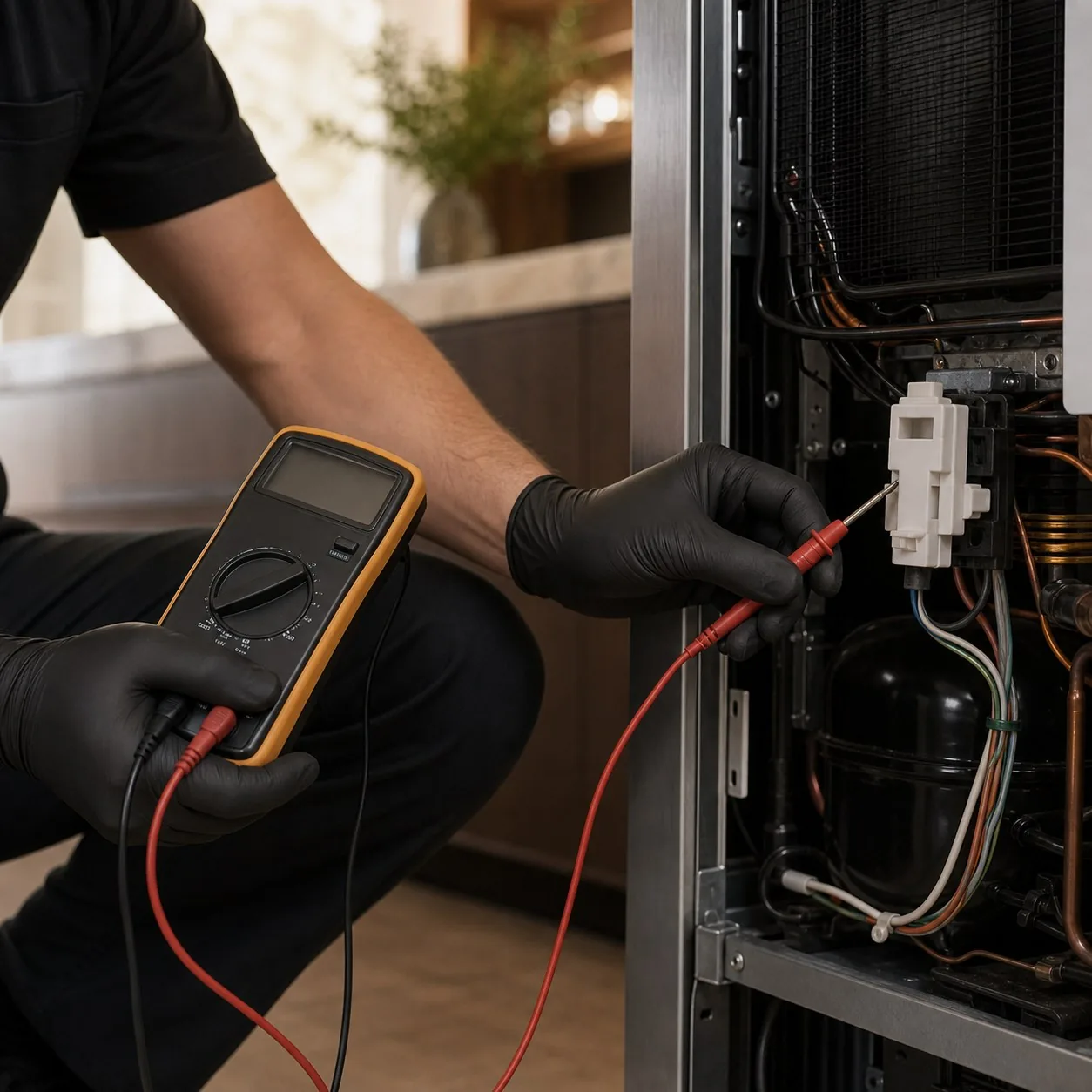
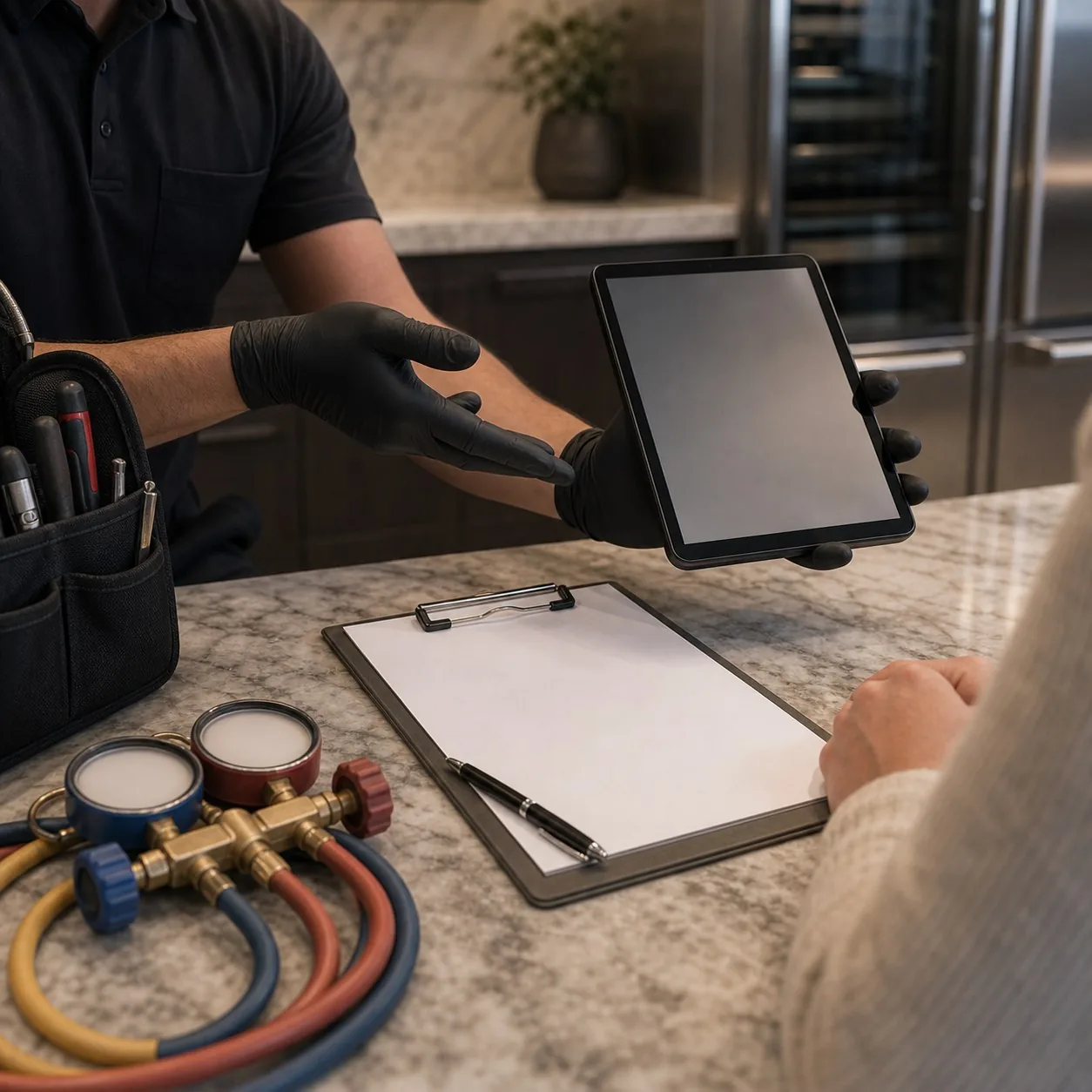
How a visit works


Frequently asked questions
Why is one zone of my Sub-Zero dual-zone wine column warm while the other is fine?
Because each zone is metered separately. A dual-zone column makes cold on one deck and splits it between two compartments using independent dampers and sensors. When a single zone runs warm and the other holds, the failure sits in that zone's damper or sensor — the shared compressor is clearly still cooling.
Is a warm zone on my wine fridge the compressor or sealed system?
Almost never, if the other zone is cold. A failed compressor, condenser or sealed system would starve both compartments at once, so a one-zone-warm pattern actually clears the expensive parts. The diagnosis narrows to that zone's air damper, its thermistor, or, on some models, a dedicated zone fan.
My Sub-Zero 424 isn't cooling one side — what fails first?
On a 424-class dual-zone column the first suspects are the damper that meters air into the warm zone and the thermistor reading that zone's temperature. A stuck damper starves the zone of cold; a drifted sensor tells the board the zone is already cold so it never calls for more air. Both are zone-local repairs.
The upper zone is warm but the lower zone is cold — what does that mean?
That split usually points to the upper zone's damper or sensor. Warm air rises, and the upper compartment is typically fed last in the airflow path, so a partly stuck damper or a drifted sensor shows there first. We verify by reading damper position and sensor resistance against spec before replacing anything.
Could Showroom mode cause just one warm zone?
No. Showroom (demo) mode silently disables active cooling for the whole cabinet, so both zones would drift warm together. A one-zone-warm symptom actually rules demo mode out. If both compartments went warm after a power blip, then check the panel for Showroom mode first — that's a setting, not a failed part.
Do you repair dual-zone Sub-Zero wine columns across the Bay Area?
Yes. From our San Ramon base we reach wine rooms across the East Bay, Peninsula and Silicon Valley estates. We isolate the warm zone, read its damper and sensor against spec, and fit genuine OEM parts for that zone only — leaving the healthy zone and the sealed system untouched.
What clients say
4.9 · 327 reviews
The lower zone of our Sub-Zero wine column sat at 60 while the upper crept past 70. I'd assumed the whole thing was dying. The technician explained one warm zone means the cold is still being made, then read the upper damper and found it stuck half-closed. One genuine OEM damper and both zones hold again.
Our 424 kept the white side cold but let the red side drift up. He measured the red-zone sensor resistance against the model's curve and showed me it was reading a good 8 degrees off, so the board thought that zone was already cold. Swapped the thermistor for an OEM part. No compressor work, no drama.
Top compartment warm, bottom fine. He confirmed it wasn't Showroom mode since that would knock out both zones, then traced it to a tired zone fan that wasn't pushing air past the upper damper. Genuine part, careful work around our cabinetry. One zone back fast; the second visit was only to source the exact fan.