
What temperature should a Sub-Zero be set to?
Set the fresh-food compartment to 38°F, the freezer to 0°F, and a wine storage zone to about 55°F. Those three numbers are the manufacturer’s recommended targets, and they fit almost every San Ramon and Bay Area kitchen as written. There is rarely a reason to deviate: 38°F keeps food comfortably below the 40°F bacterial-growth line without freezing produce, and 0°F is the standard for long, safe frozen storage. The table below is the quick reference most owners are looking for.
| Compartment / zone | Recommended setting | Notes |
|---|---|---|
| Fresh-food refrigerator | 38°F | Safe margin under the 40°F line; colder freezes top-shelf produce |
| Freezer | 0°F | Standard for long-term frozen storage and firm ice cream |
| Wine — all-purpose | ~55°F | Best single-zone compromise for a mixed collection |
| Wine — whites | ~50°F | Set the cooler zone of a dual-zone cabinet here |
| Wine — reds | ~58°F | Set the warmer zone here; never store reds fridge-cold |
These are targets to hold steady, not knobs to keep turning. A Sub-Zero is a precision cabinet; once it is set correctly, the smartest thing you can do is leave it alone and let it work.
Why does stability matter more than the exact number?
Because food and wine degrade from swings, not from a degree or two of offset. A compartment that hovers at a steady 38°F preserves produce, dairy and bottles far better than one bouncing between 34°F and 44°F while someone chases the perfect reading. Every time you drop the setpoint to “fix” warm food, the compressor simply runs longer, the top shelf starts to freeze, and the swing gets wider — the opposite of what you wanted. The recommended values already build in a safe margin, so the goal is a flat, boring line on a thermometer. If your cabinet won’t hold that line at the right setting, the problem is a fault to diagnose, not a number to lower. Our 24-hour temperature-log diagnostic reads the shape of the data to tell the two apart.
How do I change and verify a Sub-Zero setting?
Changing the value takes seconds; verifying it takes a day. Wake the control panel, pick the compartment, set the target, confirm, and close the door — the step-by-step is in the how-to block above. Then comes the part most people skip: wait a full 24 hours. A Sub-Zero is heavily insulated with real thermal mass, so it changes slowly and deliberately. Checking after an hour and re-adjusting only fights the system and guarantees a swing. After the wait, read an independent thermometer placed mid-shelf — the display shows the setpoint you chose, not always the live cabinet air.
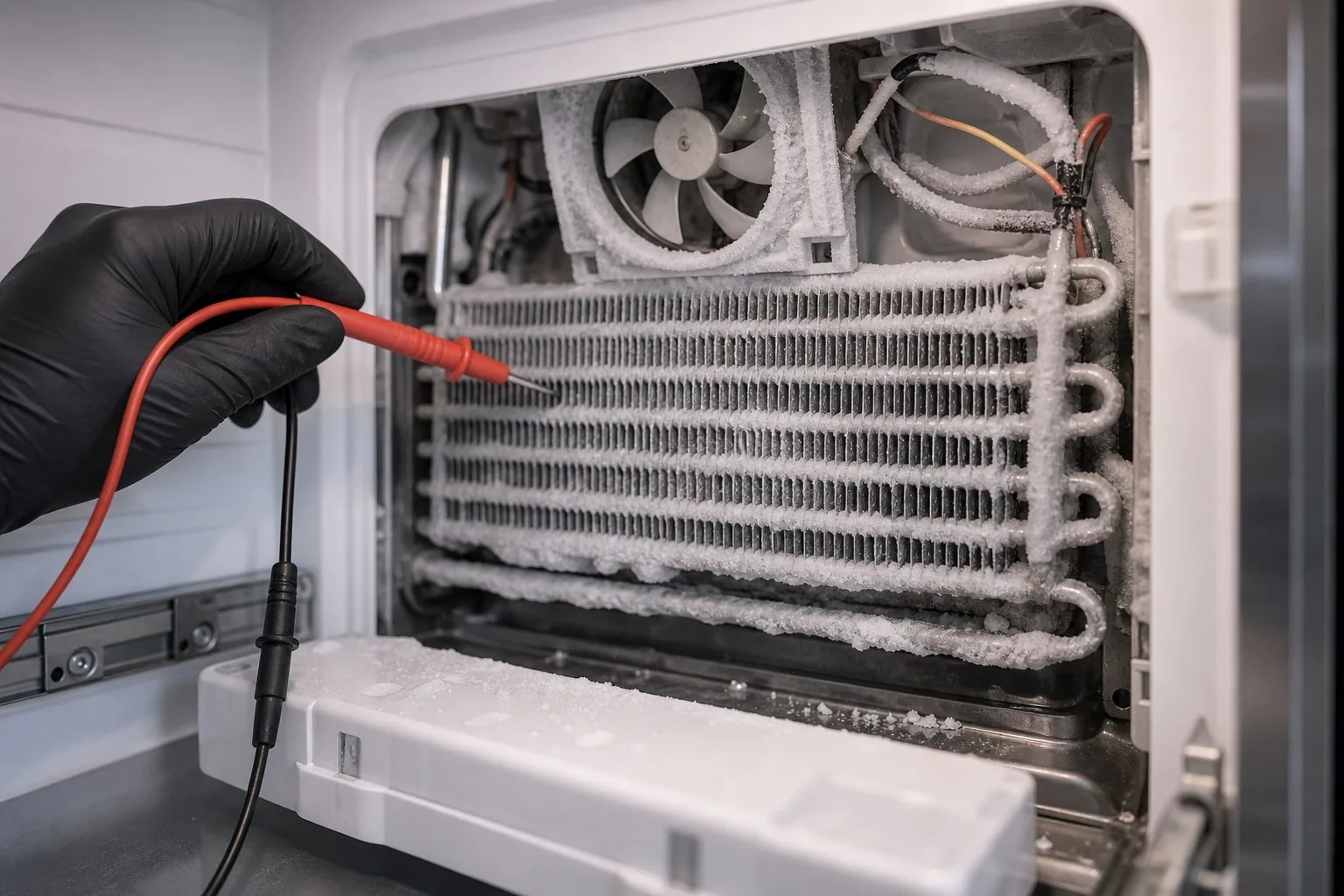
If the measured air matches the setpoint, you are finished. If it doesn’t, stop adjusting and look for a cause: a door that no longer seals, a vent blocked by stored food, or a dust-choked condenser will all make a correctly set cabinet read warm. A steady, regular maintenance routine prevents most of those, and when the air keeps drifting at the right setting, the Sub-Zero troubleshooting guide maps the symptom to its likely cause. A cabinet that stays warm with both compartments climbing is the classic not-cooling pattern, and a wine zone that won’t hold 55°F is a job for wine cooler repair — neither is a settings problem.
A note on the freezer and ice
If your ice looks small, hollow, or slow, it is almost never a freezer-temperature setting. At 0°F the freezer is cold enough for firm ice; weak ice points to the water line, the ice-maker assembly, or hard-water scale rather than a number on the panel. Set the freezer to 0°F, leave it there, and chase ice problems through the components, not the setpoint.
Quick answers
- What temperature should a Sub-Zero refrigerator be set to?
- The fresh-food compartment should be set to 38°F and the freezer to 0°F. Those are the manufacturer's recommended targets and they suit most San Ramon kitchens. Going colder rarely helps and can freeze produce on the top shelf, so keep the setting steady and confirm it with your own thermometer.
- What is the ideal Sub-Zero wine cooler temperature?
- Aim for about 55°F as an all-purpose storage setting. Reds show best stored slightly warmer, near 58°F, and whites near 50°F. For a single-zone cabinet that holds both, 55°F is the safe middle. A dual-zone unit lets you split the difference, which is why many San Ramon collectors prefer it.
- How do I change the temperature on my Sub-Zero?
- Open the door, press the control panel or touchscreen to wake it, select the compartment you want to adjust, and use the arrows or slider to set the new value. Confirm the change, close the door, and leave it alone for 24 hours. Older dial models adjust with a recessed knob behind the upper grille.
- How long does a Sub-Zero take to reach a new temperature?
- Give it a full 24 hours. The cabinet has heavy insulation and dense thermal mass, so it changes slowly and deliberately. Checking after an hour and re-adjusting only fights the system. Set the value once, wait a day, then verify with a thermometer before deciding whether another small change is needed.
How to change the temperature on a Sub-Zero
- Wake the control panelOpen the door and tap the touchscreen or control pad to wake it. On older models the temperature dials sit in a recessed control behind the upper grille.
- Select the compartmentChoose the zone you want to change — fresh-food, freezer, or the wine zone — so you adjust the right setpoint and not the whole cabinet.
- Set the target valueUse the arrows or slider to set 38°F for fresh-food, 0°F for the freezer, or about 55°F for wine. Make one deliberate change rather than several small ones.
- Confirm and closeConfirm the new setpoint, close the door fully, and let the seal re-establish. Avoid reopening repeatedly while the cabinet settles.
- Wait a full 24 hoursLeave the setting alone for 24 hours so the dense, well-insulated cabinet can stabilize. Re-adjusting early only fights the system.
- Verify with a thermometerPlace an independent thermometer mid-shelf and read it after the wait. If the air matches the setpoint you are done; if not, see the troubleshooting path before changing anything.
Before you change a single setting
- Confirm the door fully closes and the gasket seals — a leak mimics a too-warm setting.
- Check that interior vents aren't blocked by stored food, which starves a compartment of cold air.
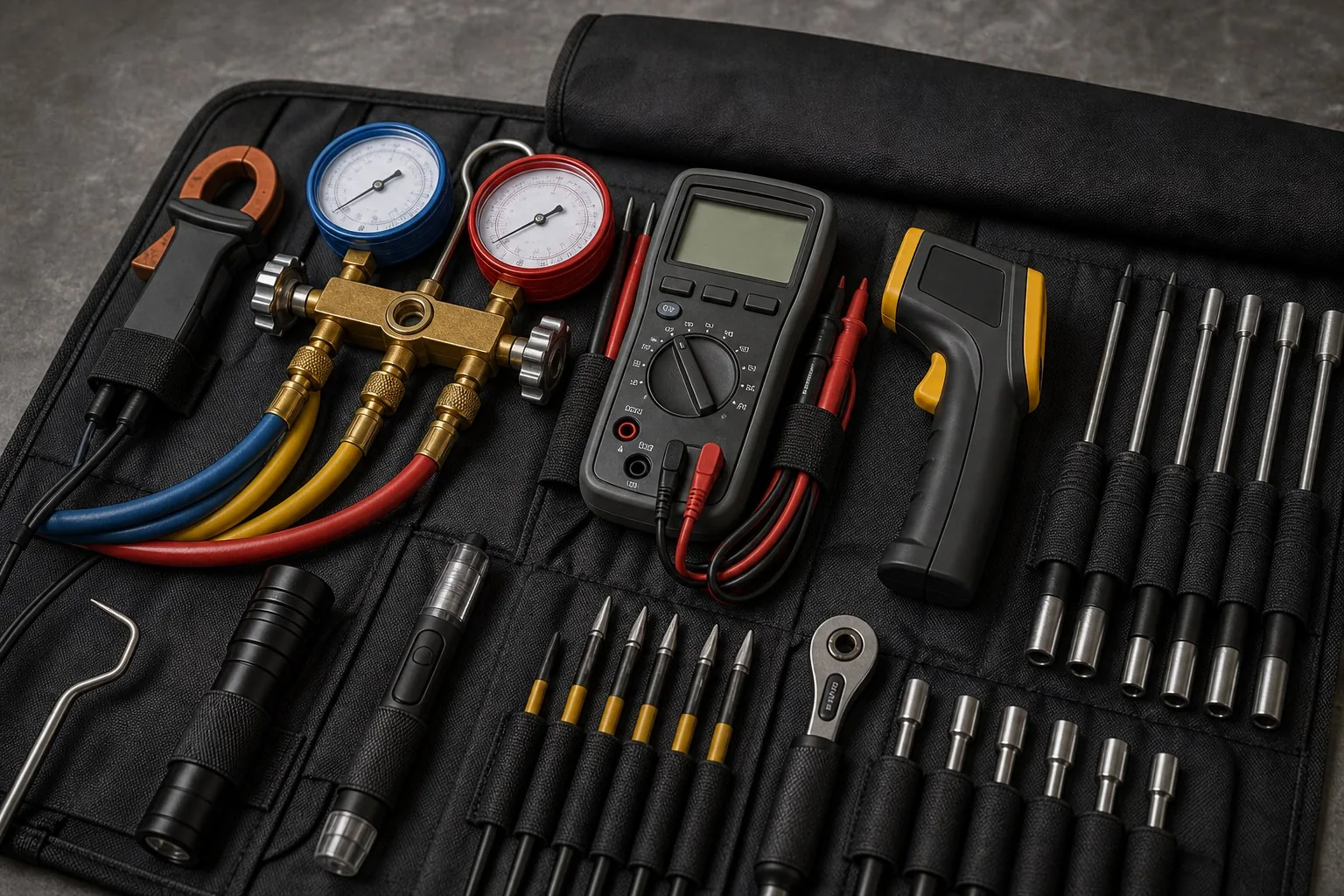
- Place an independent thermometer mid-shelf and read the real air, not just the display.
- Make one deliberate change rather than several small nudges in a row.
- Note the time you adjusted so you can honor the full 24-hour wait.
- If the cabinet still drifts after a day, treat it as a fault, not a settings problem.
Reds, whites, and the 55°F compromise
Why wine wants 55°F, not refrigerator-cold
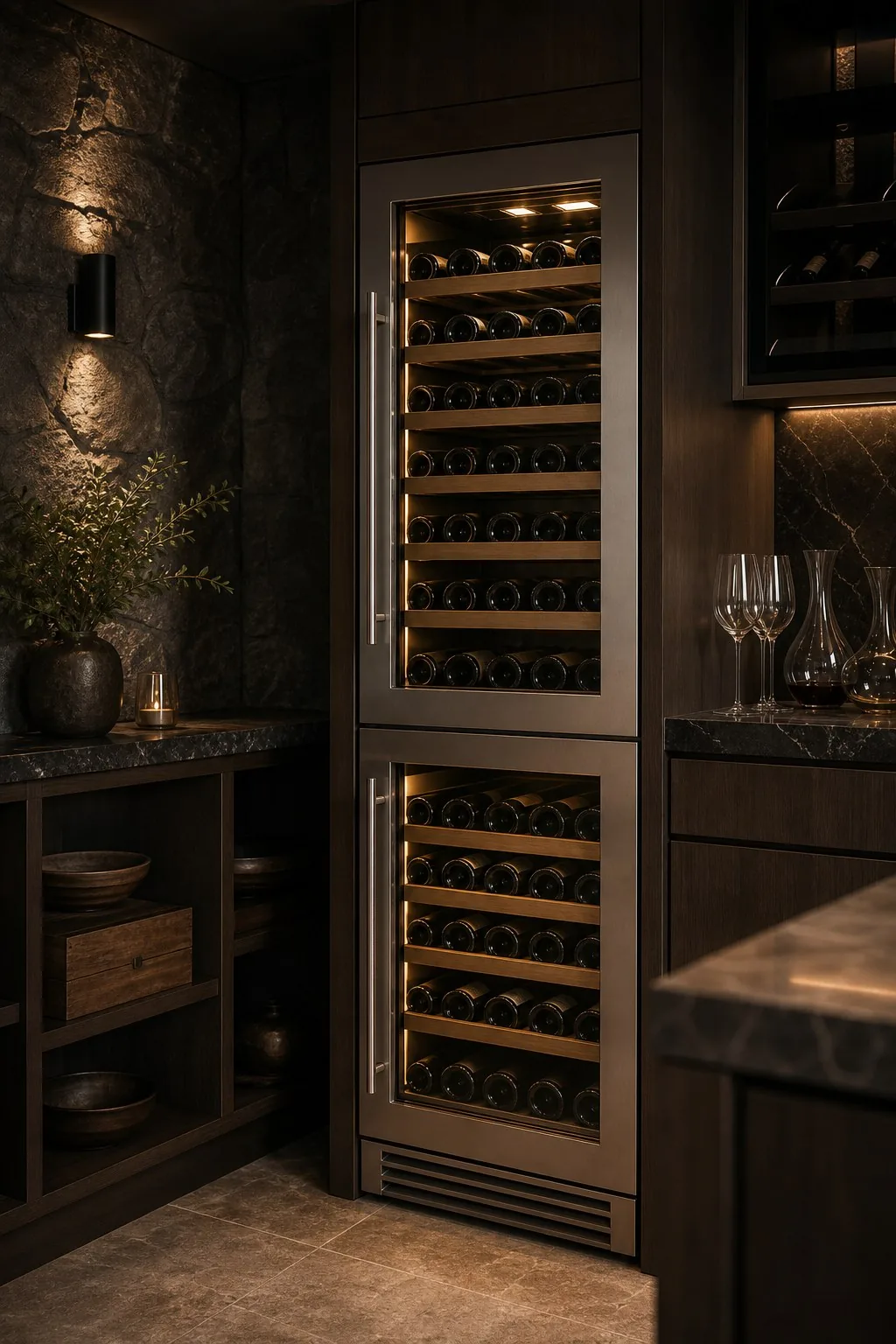
Wine is happiest near 55°F — cool enough to slow aging, warm enough to keep corks and flavors intact. Reds store best a touch warmer at around 58°F and whites a touch cooler near 50°F, so a single-zone cabinet set to 55°F splits the difference safely. The enemy of a cellar is not the exact number but the swing: vibration-free, low-light, steady 55°F outperforms a colder zone that cycles. A dual-zone unit lets San Ramon collectors keep reds and whites at their own ideals at once, which is the usual reason to upgrade.
Frequently asked questions
What temperature should a Sub-Zero refrigerator be set to?
The fresh-food compartment should be set to 38°F and the freezer to 0°F. Those are the manufacturer's recommended targets and they suit most San Ramon kitchens. Going colder rarely helps and can freeze produce on the top shelf, so keep the setting steady and confirm it with your own thermometer.
What is the ideal Sub-Zero wine cooler temperature?
Aim for about 55°F as an all-purpose storage setting. Reds show best stored slightly warmer, near 58°F, and whites near 50°F. For a single-zone cabinet that holds both, 55°F is the safe middle. A dual-zone unit lets you split the difference, which is why many San Ramon collectors prefer it.
How do I change the temperature on my Sub-Zero?
Open the door, press the control panel or touchscreen to wake it, select the compartment you want to adjust, and use the arrows or slider to set the new value. Confirm the change, close the door, and leave it alone for 24 hours. Older dial models adjust with a recessed knob behind the upper grille.
How long does a Sub-Zero take to reach a new temperature?
Give it a full 24 hours. The cabinet has heavy insulation and dense thermal mass, so it changes slowly and deliberately. Checking after an hour and re-adjusting only fights the system. Set the value once, wait a day, then verify with a thermometer before deciding whether another small change is needed.
Is a colder Sub-Zero setting better for keeping food fresh?
No. Colder than 38°F freezes lettuce, eggs and dairy on upper shelves and makes the compressor run longer without improving safety. The bacterial-growth line sits below 40°F, so 38°F already gives a safe margin. A steady 38°F keeps food fresher and longer than a colder setting that swings.
Why does my Sub-Zero display the right number but the food feels warm?
The display shows the setpoint you chose, not always the live cabinet air. If a thermometer reads warm while the panel reads 38°F, suspect a drifted sensor, a blocked vent, or a choked condenser rather than a settings error. Our temperature-log diagnostic separates a true fault from a stabilization lag.
What clients say
4.9 · 327 reviews
I had our fridge cranked all the way down because the milk kept feeling warm, and the lettuce was freezing. The tech walked me back to 38 and 0, showed me the vent the leftovers were blocking, and had me wait a day. It held perfectly. Turns out it was never a settings problem — just airflow. Clear, patient advice.
We bought a dual-zone wine cabinet and had no idea what to set it to. They explained 50 for the whites, 58 for the reds, and why the steady 55 compromise works in a single zone. Set it, waited the 24 hours, and the bottles have held a rock-steady temperature ever since. Genuinely educational visit, no upsell.
The display read 38 but a thermometer I bought read closer to 47, so I assumed I'd set it wrong. They confirmed the setting was right and traced it to a drifted sensor instead. Appreciated that they checked the simple things first and explained how the panel shows the setpoint, not always the live air. Honest and thorough.